Pexels stock image for "API docs generator" - Photo by Christina Morillo on Pexels
APIs power the modern web, but they are often a headache to work with. Untyped, inconsistent, and out of sync documentation can bring development to a crawl. That’s where an API docs generator comes in. These essential tools automatically create and maintain the technical documentation that developers rely on, transforming complex API specifications into clear, interactive, and easy to use resources. By eliminating tedious manual work, an API docs generator not only saves time but also dramatically improves the developer experience, which is directly linked to how quickly your API gets adopted.
An API docs generator programmatically creates technical documentation by analyzing your source code and API specification files. These tools parse formats like OpenAPI (formerly Swagger), AsyncAPI, and others to extract crucial information about endpoints, parameters, request bodies, and authentication.
Once the tool collects this data, it transforms it into a structured, human readable format, often an interactive website. This allows developers to not only read about the API but also test endpoints and see real responses directly in their browser, streamlining debugging and experimentation. This automation ensures that your documentation always stays perfectly in sync with your API as it evolves.
Manually writing and updating API documentation is not just time consuming; it’s a recipe for errors. An automated API docs generator provides a wealth of benefits that directly impact your bottom line and developer satisfaction.
Massive Time Savings Knowledge workers spend nearly a third of their day just searching for information. Automation frees up your developers from writing docs so they can focus on building your product.
Always Accurate and Consistent By generating docs directly from the API specification, you eliminate human error and ensure your documentation is a reliable source of truth. This consistency is crucial for both internal teams and external consumers.
Improved Developer Experience Good documentation is a top priority for developers. Interactive docs with code samples and “try it” functionality reduce the learning curve and help developers start building faster, which directly impacts API adoption.
Simplified Maintenance When your API changes, the documentation updates automatically. This removes a major bottleneck and makes it easier to maintain and version your product over time.
Better Collaboration With a single, trusted source for API information, your teams can work together more efficiently. Automated documentation ensures everyone is on the same page, from developers to product managers.
For companies that need to produce not only documentation but also client libraries, platforms like Fern offer a powerful 2‑in‑1 solution. By generating both SDKs and docs from the same API definition, you guarantee perfect synchronization and a world class developer experience.
Selecting the right API docs generator depends on your team’s workflow, the complexity of your API, and your documentation needs. However, there are several essential features to look for.
Feature | Why It Matters |
|---|---|
Specification Support | The tool must support your API specification format, whether it’s OpenAPI, AsyncAPI, Protobuf, or others. |
Interactive “Try It” | An API explorer lets developers make real API calls from the documentation, drastically speeding up testing. |
Code Sample Generation | Automatically generated, accurate code snippets in multiple languages help developers integrate faster. |
Customization & Branding | Your docs should look and feel like your brand. The ability to add custom logos, colors, and even CSS/JS is key. |
CI/CD Integration | The generator should plug into your existing CI/CD pipeline to automate documentation updates with every code change. |
SEO Optimization | For public APIs, docs need to be discoverable. Built in SEO features ensure developers can find your API through search engines. |
The world of API documentation is evolving quickly. As we move through 2025, several key trends are shaping the future of how we create and interact with API docs.
Artificial intelligence is making a huge impact. AI can now help generate initial drafts of documentation, provide contextual suggestions, and even create code examples automatically. With AI generating a significant portion of technical content, the line between human and machine authoring is blurring. This creates new opportunities for efficiency but also requires human oversight to ensure accuracy and strategic depth.
Beyond the traditional developer experience, the industry is moving toward an “Agentic Experience” or AX. This means designing APIs and documentation to be consumed not just by human developers but also by AI agents and Large Language Models (LLMs). Structured, machine readable documentation is becoming essential for this new wave of integration, including standards like llms.txt.
Docs as Code, which means treating documentation like code with version control and automated quality checks, is now standard practice. This approach ensures that documentation evolves alongside the product, maintaining quality and consistency. Companies like Fern champion this by integrating docs into the git based workflows developers already use.
Having covered the foundational principles of what makes API documentation truly effective, it’s time to explore the premier tools that bring those principles to life. In this section, we present our curated selection of the top 10 API documentation generators for 2025, each chosen for its robust features, developer-friendly interface, and ability to create clean, interactive, and easy-to-understand documentation. These platforms represent the best in the industry, offering a diverse range of solutions to meet the demands of any project.
Official website link: Official site
Fern is an API tooling platform that transforms API specifications into production-ready developer resources like SDKs and interactive documentation. It serves API-first development teams by automating manual maintenance overhead and streamlining the developer experience.
Fern generates documentation by combining API specifications with Markdown files, media, and configuration settings. The Fern CLI processes these inputs, including OpenAPI, AsyncAPI, and others, to produce a hosted documentation site, fitting into a docs-as-code workflow within a GitHub repository.
Key features:
Automatically generates and maintains type-safe SDKs in languages like TypeScript, Python, Go, and Java.
Creates interactive documentation with auto-generated API references and code snippets.
Features a visual editor for no-code content modifications that syncs back to GitHub.
Provides an AI-powered search assistant trained on your documentation to answer developer questions.
Supports docs-as-code workflows, versioning documentation alongside your codebase.
Enables self-hosting for enhanced security and compliance requirements.
Fern supports OpenAPI, AsyncAPI, gRPC, Protobuf, and OpenRPC specifications.
Users can make try-it requests in the interactive API explorer and view auto-generated SDK snippets.
The platform offers professional designs that match your brand identity, including custom components.
Integrations:
GitHub
Postman
CI/CD
Analytics (Google Analytics, PostHog, Segment)
Fern offers paid, tiered plans for its SDK generation and documentation services.
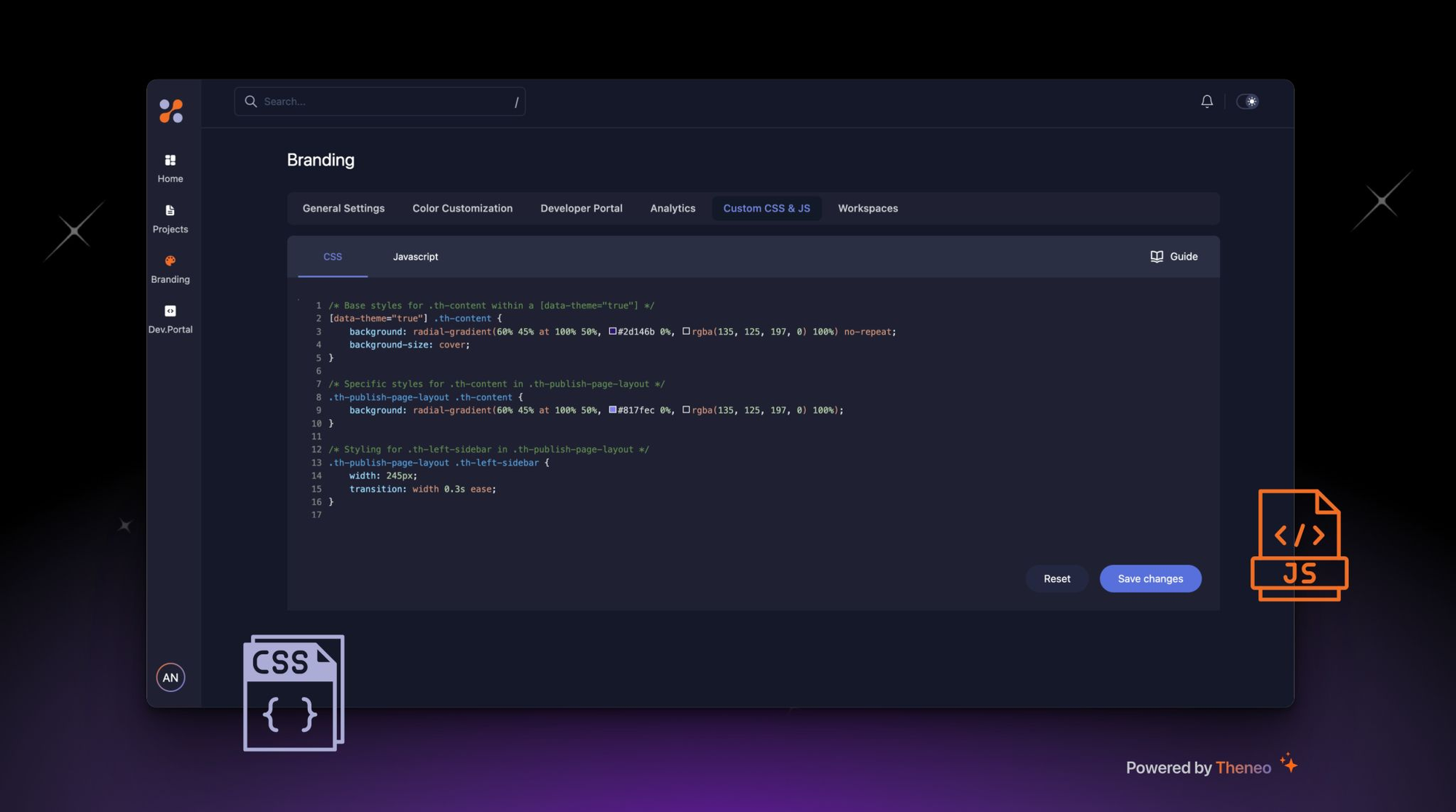
Official website link: https://theneo.io/
Theneo is an AI-powered platform that automates API documentation for developers and technical writers. It stands out by generating beautiful, interactive, and Stripe-like docs in seconds, streamlining the entire process from creation to maintenance for engineering teams of all sizes.
Theneo generates documentation by parsing specifications like OpenAPI or Postman collections. Its AI automatically creates comprehensive descriptions and examples, while integrations with Git and CI/CD pipelines keep documents continuously updated with any code changes, ensuring accuracy.
Key features:
AI-powered generation automatically creates descriptions and code samples.
Automated syncing keeps documentation current via Git and CI/CD.
A collaborative web editor allows teams to work together in real-time.
Interactive API explorer enables users to test endpoints directly.
Automatic changelogs detect and document breaking changes and updates.
Extensive branding options including logos, colors, and custom CSS/JS.
Standards/compatibility: It supports OpenAPI, Postman, GraphQL, gRPC, SOAP, and AsyncAPI specifications.
Interactive features: Users can make live API requests, handle authentication, and generate code snippets.
Customization/design: The platform provides full control over branding, theming, layouts, and custom CSS.
Integrations:
GitHub, GitLab, Bitbucket
Postman, VS Code
ChatGPT
Pricing/licensing: Theneo offers tiered commercial plans with a free option available for public projects.
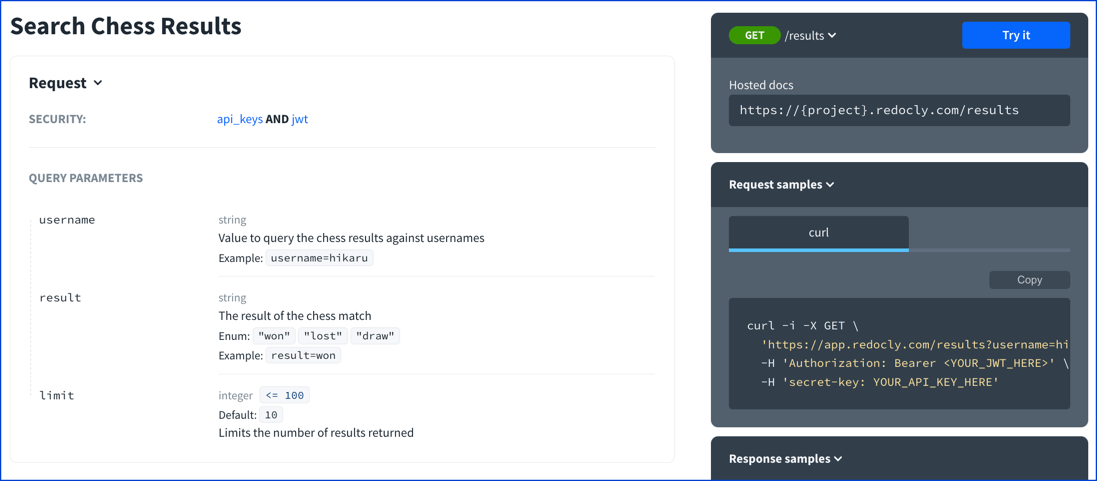
Official website link: Official site
Redocly offers a suite of tools for the entire API lifecycle, catering to teams that prioritize a docs-as-code workflow. It transforms OpenAPI specifications into beautiful, interactive, and branded developer portals with a responsive three-panel design.
The primary generation method involves using the Redocly CLI to bundle and build documentation from an OpenAPI (formerly Swagger) definition. This process supports splitting a large OpenAPI file into smaller, manageable parts, fitting seamlessly into a docs-as-code Git workflow.
Key features:
Automation: Generates documentation from OpenAPI definitions and automates updates within a CI/CD pipeline.
Collaboration: Facilitates review flows between developers and writers and supports team-based workflows.
Interactive Console: Includes a “Try it” console for making live API requests directly from the documentation.
Code Samples: Automatically generates code samples in various languages.
Customization: Offers extensive theming and branding options to match your company’s style.
Versioning: Provides a version switcher to navigate between different API versions.
It supports OpenAPI Specification (OAS) versions 3.1, 3.0, and 2.0.
Its interactive API explorer includes a “Try it” console and auto-generated code snippets.
Extensive customization is available through theming, custom CSS, and configurable layouts.
Integrations:
OpenAPI / Swagger, GitHub, GitLab, CI/CD pipelines, Google Analytics.
Redocly offers both a free, open-source version (Redoc) and commercial paid tiers.
ReDoc is an open-source tool that generates clean, interactive API documentation from OpenAPI specifications. It is known for its modern, responsive three-panel design, which includes a navigation menu, documentation in the center, and code samples on the right.
ReDoc dynamically generates HTML documentation from an OpenAPI (formerly Swagger) definition in JSON or YAML format. Any updates to the API specification are automatically reflected in the documentation, ensuring it remains current without manual intervention. The output is a single, standalone HTML file.
Key features:
Three-Panel Design: Responsive layout with synchronized menu and scrolling for easy navigation.
Code Samples: Supports generating and displaying request and response examples.
Customization: Offers various theming and styling options to match brand identity.
Search: Includes a search bar for quick navigation.
Nested Schemas: Effectively displays complex, nested request and response payloads.
Vendor Extensions: Supports OpenAPI specification extensions for added functionality like logos and code samples.
It supports OpenAPI versions 3.1, 3.0, and the earlier Swagger 2.0 specification.
The interactive documentation allows users to try out API endpoints directly within the documentation.
You can customize the design with theming, branding, and layout adjustments for a consistent experience.
Integrations:
OpenAPI/Swagger
GitHub
CI/CD pipelines
React
ReDoc is an open-source, free community edition product from Redocly, with more features available on paid plans.
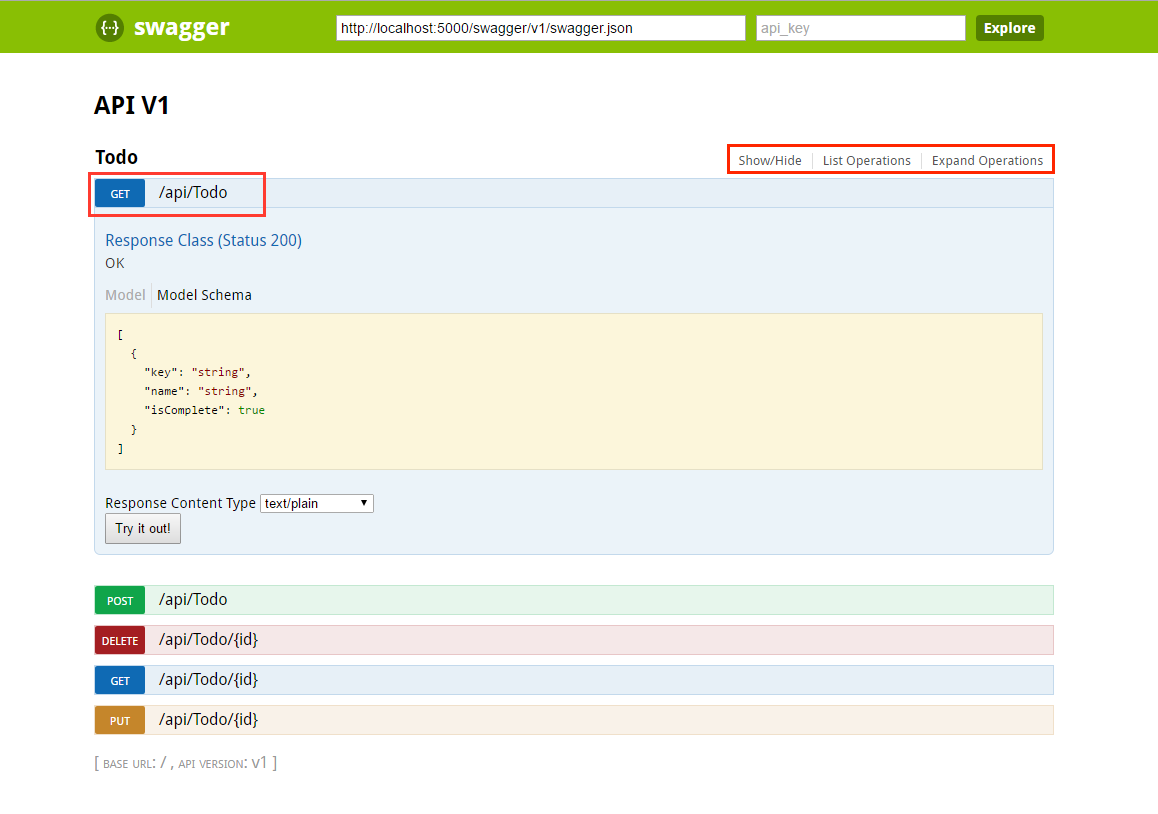
Official website: swagger.io/tools/swagger-ui/
Swagger UI is an open-source tool that renders OpenAPI Specifications as interactive API documentation. It provides a user-friendly interface for developers and consumers to visualize and interact with API resources without needing access to the implementation logic or source code.
This tool dynamically generates a web interface from an OpenAPI specification file in JSON or YAML. The process transforms the API definition into human-readable documentation, allowing users to explore and test API endpoints directly from their browser.
Key features:
Interactive Console: Allows developers to execute API requests directly from the documentation to see live responses and debug issues.
Automatic Generation: Dynamically creates beautiful, shareable documentation from any OpenAPI Specification.
Client SDK Generation: Helps generate client-side software development kits in various programming languages, which helps to accelerate development.
Broad Compatibility: Works with any development environment.
It supports OpenAPI Specification versions 2.0 and 3.x for API visualization.
Users can effortlessly try out every API operation with its live explorer.
The interface is fully customizable with full source code access for styling.
Integrations:
Swagger Editor
Swagger Codegen
SwaggerHub
CI/CD tools
Swagger UI is free, open-source software available under the Apache 2.0 License.

Official website link: https://swagger.io/tools/swaggerhub/
SwaggerHub is an integrated platform for designing, developing, and documenting APIs at scale. Built for teams, it provides a central hub to collaborate on API specifications using the OpenAPI Framework, ensuring consistency and accelerating the development lifecycle.
It automatically generates interactive API documentation directly from OpenAPI/Swagger definitions. This design-first approach ensures documentation is created and updated as part of the development workflow, with changes synchronized through integrations with source control systems like GitHub.
Key features:
Collaborative Design: A central platform enables real-time teamwork for multiple stakeholders.
API Standardization: Enforce organizational design standards to improve consistency and consumer experience.
Interactive Documentation: Auto-generated, user-friendly documentation allows for easier API consumption.
Source Control Sync: Integrates with GitHub, GitLab, and Bitbucket to keep designs and code aligned.
Versioning: Manages multiple API versions, allowing teams to build upon and track changes effectively.
Code Generation: Automatically generates client SDKs and server stubs in various languages.
It supports both OpenAPI 2.0 and 3.0 specifications for RESTful APIs.
Interactive features include a “Try It Out” console, API mocking, and code snippet generation.
Users can apply custom branding, including logos and header colors, for documentation portals.
Integrations:
Source control (GitHub, GitLab, Bitbucket)
API gateways (Amazon API Gateway, Azure)
CI/CD and Webhooks
SwaggerHub offers free personal plans and paid, tiered plans for teams and enterprises.
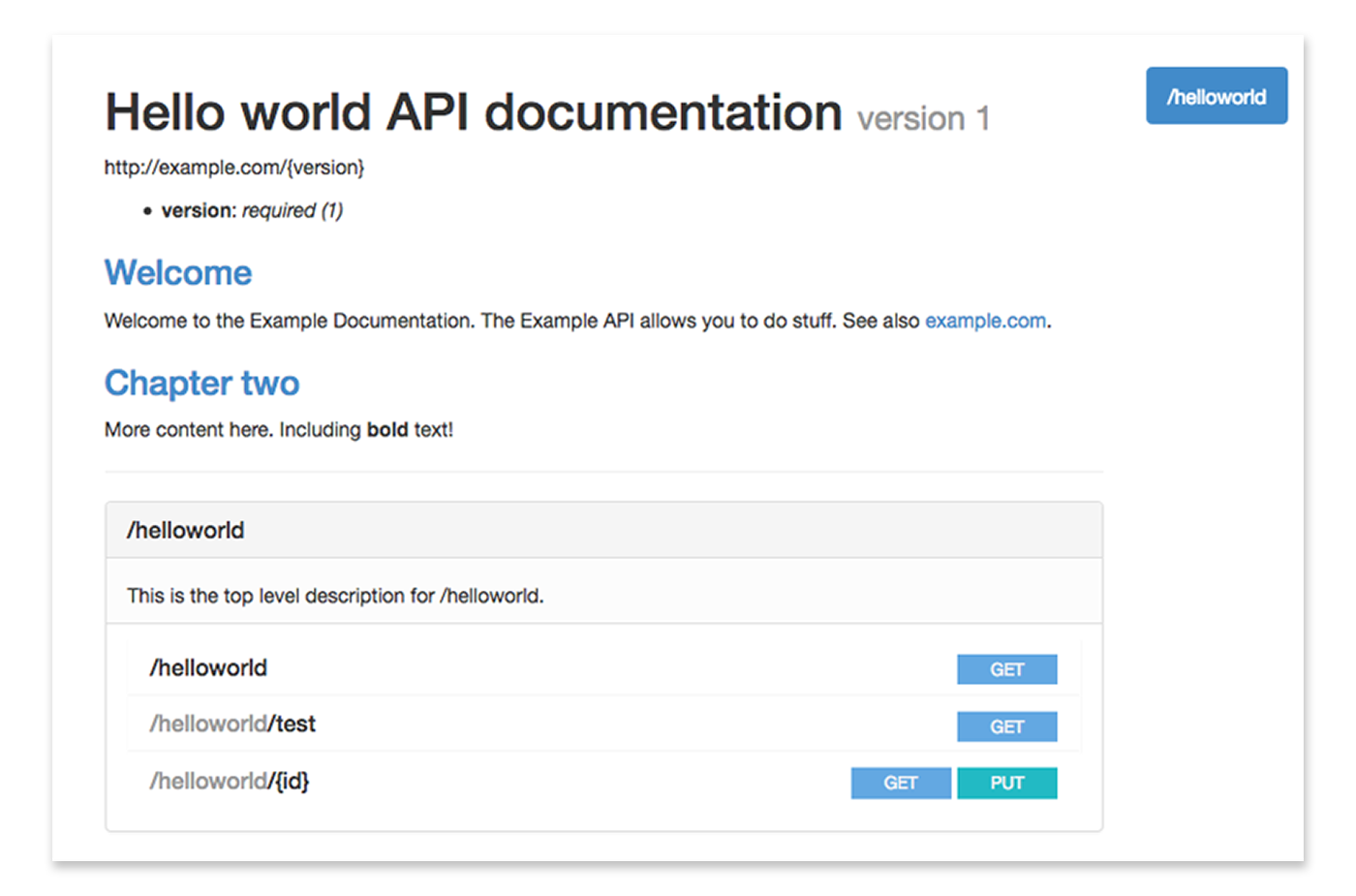
Official website link: dapperdox.io
DapperDox is an open-source documentation generator that creates browsable, themed reference websites for APIs. It’s designed for developers who need to produce rich, navigable documentation combining API specifications with detailed guides, diagrams, and cross-references.
DapperDox generates documentation by processing OpenAPI (Swagger) specifications and combining them with guides authored in GitHub Flavored Markdown. This process seamlessly overlays supplementary content onto the auto-generated reference material, creating a cohesive and comprehensive documentation site.
Key features:
Combines multiple OpenAPI specifications into a single, cross-referenced site.
Authors supplementary content using GitHub Flavored Markdown.
Offers multiple themes and customization options for branding.
Includes a built-in interactive API explorer for endpoint testing.
Can proxy a developer platform for integrated API key management.
Provides enhanced navigation and presentation for user-friendly access.
It supports OpenAPI (Swagger) specifications and allows for extensive content creation using GitHub Flavored Markdown.
The platform includes a built-in API explorer for making live requests and integrating with authentication models.
Users can choose from multiple themes or create their own for full branding and layout control.
Integrations:
OpenAPI (Swagger)
GitHub
Markdown
DapperDox is a free and open-source tool, making it an accessible option for any development team.
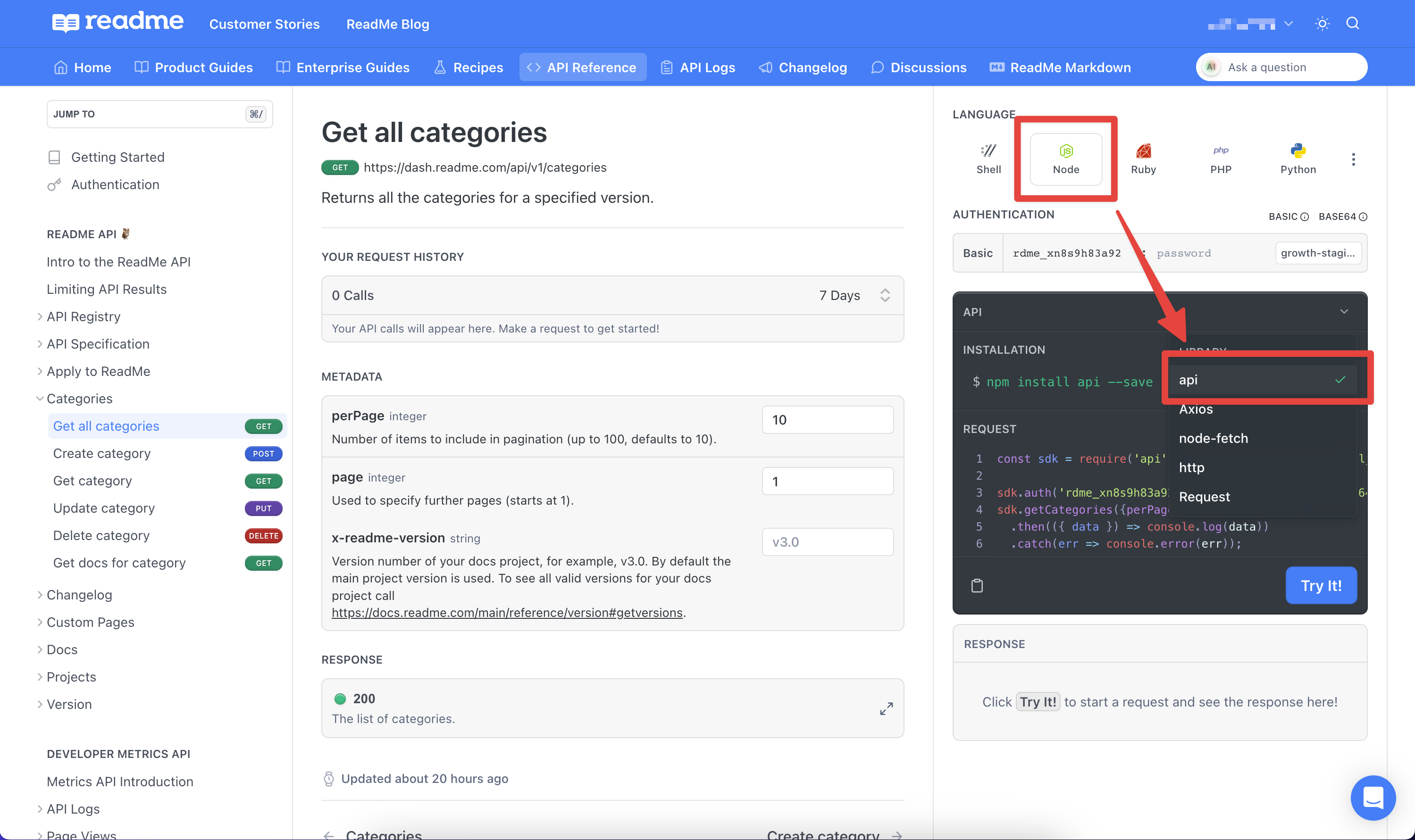
Official website: https://readme.com
ReadMe is a developer hub for creating interactive and user-friendly API documentation. It helps teams build beautiful, searchable, and collaborative docs that empower developers. Standout features include its strong focus on developer experience, robust analytics, and creating a community around APIs.
Generate docs by importing an OpenAPI (Swagger) file via upload, URL, or a synced GitHub repository. This automatically produces an interactive API explorer and reference guides, keeping documentation continuously updated within your development lifecycle.
Key features:
Automate updates by syncing OpenAPI specifications directly from a GitHub repository.
Improve accuracy with collaborative suggested edits from team members and users.
Maintain multiple versions with a powerful global search across all projects.
Generate code snippets in over 20 languages to accelerate developer onboarding.
Gain insights into API usage and performance with detailed API logs.
Allow users to make real API calls using the interactive playground.
Supports OpenAPI Specification up to v3.1 and includes a Markdown editor for guides.
Features an interactive API explorer for making live requests and generating dynamic code snippets.
Customize branding, layouts, and CSS, or build custom interactive components using MDX.
OpenAPI / GitHub / Slack / Google Analytics / Zendesk
Offers free, startup, business, and enterprise tiers, including a free open-source plan.
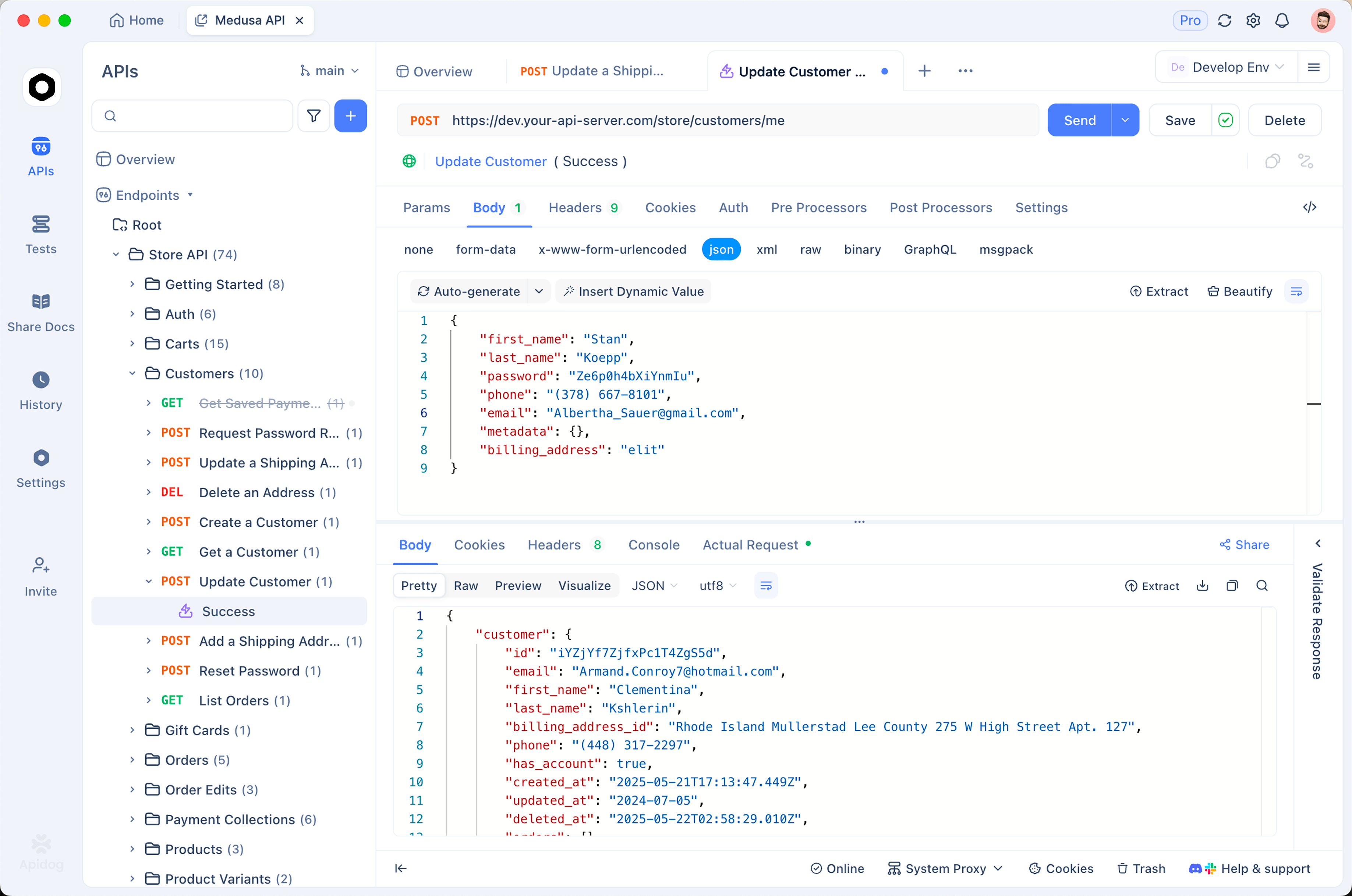
Official website link: https://apidog.com/
Apidog is an integrated API platform that unifies design, debugging, testing, and documentation into one collaborative environment. It streamlines the entire API lifecycle for teams, aiming to boost efficiency and ensure consistency from initial design to final deployment and maintenance.
Apidog automatically generates interactive documentation from your API designs or by importing OpenAPI files. As you define or modify endpoints within the platform, the documentation updates in real-time, ensuring it always stays perfectly synchronized with your API’s implementation.
Key features:
Unified Platform: Combines API design, debugging, automated testing, mocking, and documentation tools.
Real-Time Collaboration: Enables team members to work on APIs simultaneously and stay in sync.
Automated Documentation: Instantly generates interactive and shareable API docs that remain consistently current.
CI/CD Integration: Integrates with CI/CD pipelines like Jenkins and GitLab for automated workflows.
Versioning & Branching: Manages API versions and collaborative changes with dedicated branching features.
It supports importing and generating documentation from OpenAPI (Swagger) v2 and v3 specifications.
Users can make live API requests and test various endpoints within the documentation.
Offers customizable layouts, navigation, custom domains, and the use of custom CSS.
Integrations:
OpenAPI / Swagger
CI/CD (Jenkins, GitLab)
Google Analytics
Apidog offers a free tier for small teams alongside paid plans for enterprise needs.
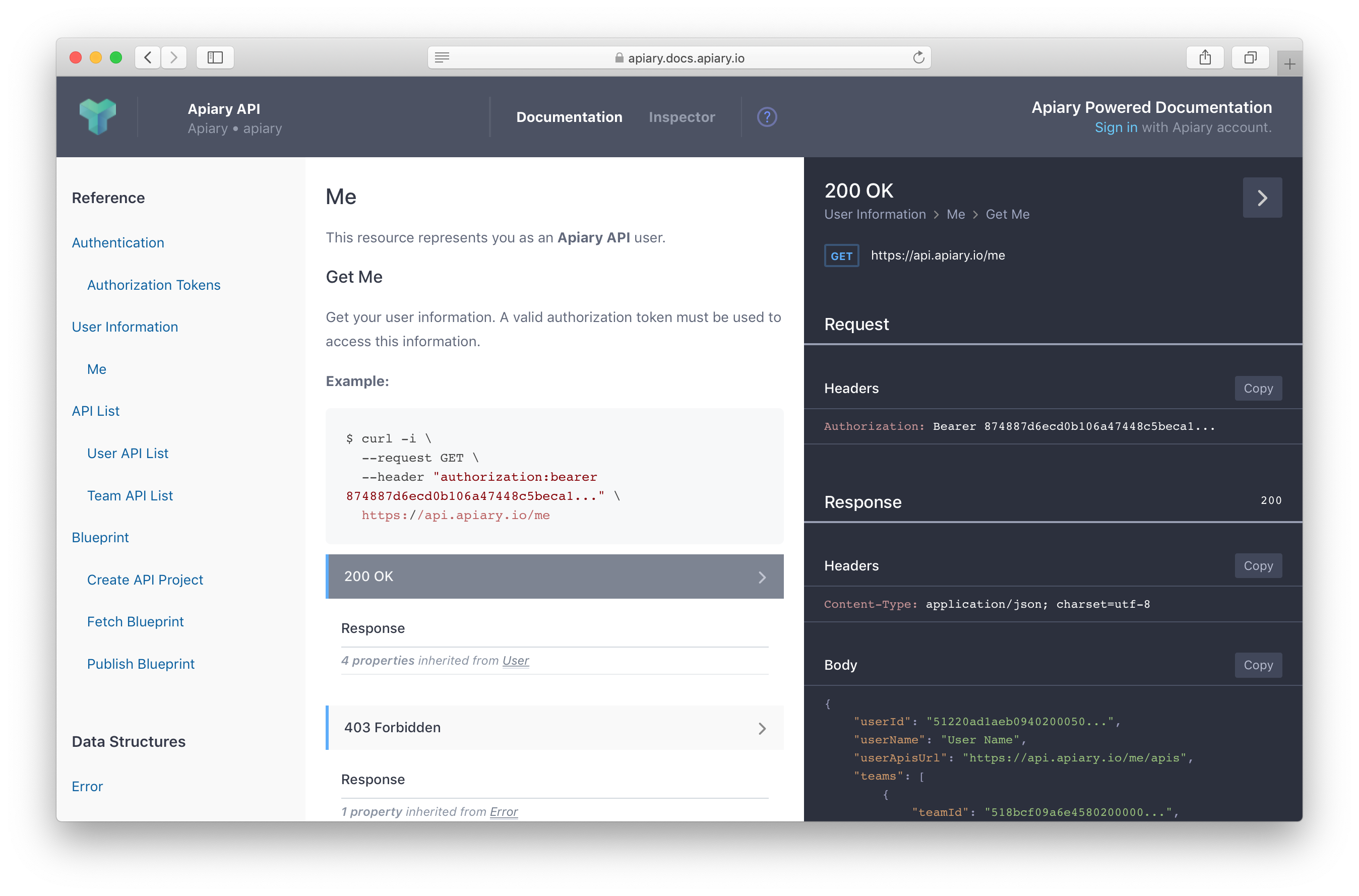
Official website link: Official site
Apiary, now part of Oracle, is a platform for API design, prototyping, documentation, and testing. It provides a collaborative environment for developers and teams to create consistent, well-documented APIs, simplifying the development lifecycle from design to implementation.
Apiary generates interactive documentation from API Blueprint, a Markdown-based language, or OpenAPI (Swagger) specifications. This “design-first” approach ensures documentation is created early and stays synchronized with the API’s evolution, serving as a single source of truth.
Key features:
Auto-generated documentation: Creates interactive, three-column docs from API descriptions.
Mock server: Generates a mock server from API blueprints for early testing and parallel development.
Collaboration: Provides a centralized platform for teams to design and iterate on APIs.
Testing and validation: Includes built-in testing features to validate implementations against the design.
GitHub integration: Syncs API blueprints with GitHub repositories to streamline workflows.
API Inspector: Allows developers to see requests made to endpoints for easier debugging.
Standards/compatibility: Supports API Blueprint and OpenAPI (Swagger) description formats for API documentation.
Interactive features: An interactive console allows users to make requests directly to the live API.
Customization/design: Documentation can be customized and embedded into your own site or portal.
Integrations:
GitHub
Dredd (for automated testing)
CI/CD pipelines
Pricing/licensing: Apiary offers a free plan along with paid Standard and Pro tiers.
Automating your documentation is most effective when it’s a seamless part of your development lifecycle. Integrating your API docs generator directly into your Continuous Integration and Continuous Deployment (CI/CD) pipeline is the key.
This ensures that every time your API’s code is updated, the documentation is automatically regenerated and published. This process typically involves adding a step to your pipeline that runs the generator’s command, compares the output to the committed version, and fails the build if there are discrepancies. By doing this, you guarantee your docs are never out of date.
Many modern platforms support this out of the box. For example, the fern generate command is designed to be easily added to any CI/CD workflow, ensuring your SDKs and docs are always in sync with your API definition. (Note: the Fern CLI requires Node 18+.)
In a world powered by APIs, high quality documentation is not a luxury, it’s a necessity. It’s the foundation of a great developer experience, faster adoption, and successful integrations. Manual documentation is slow, error prone, and can’t keep up with modern development cycles.
An automated API docs generator solves these problems, ensuring your documentation is always accurate, interactive, and easy for developers to use. By embracing automation, you empower your team to focus on what they do best: building incredible products.
Ready to deliver SDKs and API docs your team can be proud of? Book a demo.
An API docs generator is a tool that automatically creates and maintains technical documentation for an Application Programming Interface (API). It reads API specification files like OpenAPI and produces user friendly, often interactive, documentation.
Automating API documentation saves significant time, reduces human error, improves the developer experience, and ensures documentation stays current as the API evolves. This leads to faster API adoption and lower support costs.
The OpenAPI Specification (formerly Swagger) is a standard, language agnostic way to describe REST APIs. It allows both humans and computers to understand the capabilities of a service without needing to access source code.
Yes, many tools can generate documentation for existing APIs. Some tools can even analyze production traffic to help create an initial API specification for APIs that lack one.
Consider factors like the API specification formats it supports, its customization options, how well it integrates with your CI/CD pipeline, and whether it offers interactive features for developers.
“Docs as code” is the practice of treating documentation files the same as source code. This means storing them in a version control system like Git, using plain text markup languages, and running automated processes to build and publish the final documentation.


